
Clinical and experimental insight into pathophysiology, comorbidity and therapy of absence seizures
Absence seizures in children and teenagers, while often considered benign, affect 30% with pharmaco-resistance and 60% with severe neuropsychiatric comorbidities. Recent studies highlight cortical mechanisms as key in seizure ictogenesis.....

Current advances in ischemic stroke research and therapies
Ischemic stroke causes significant global morbidity and mortality. Despite advances in experimental models and treatments, understanding the mechanisms of stroke and inflammatory factors in the brain remains incomplete. Current in vivo and in vitro models fail to accurately simulate human ischemic events, complicating therapy development. Enhanced models and effective therapies are urgently needed in ischemic stroke research.....
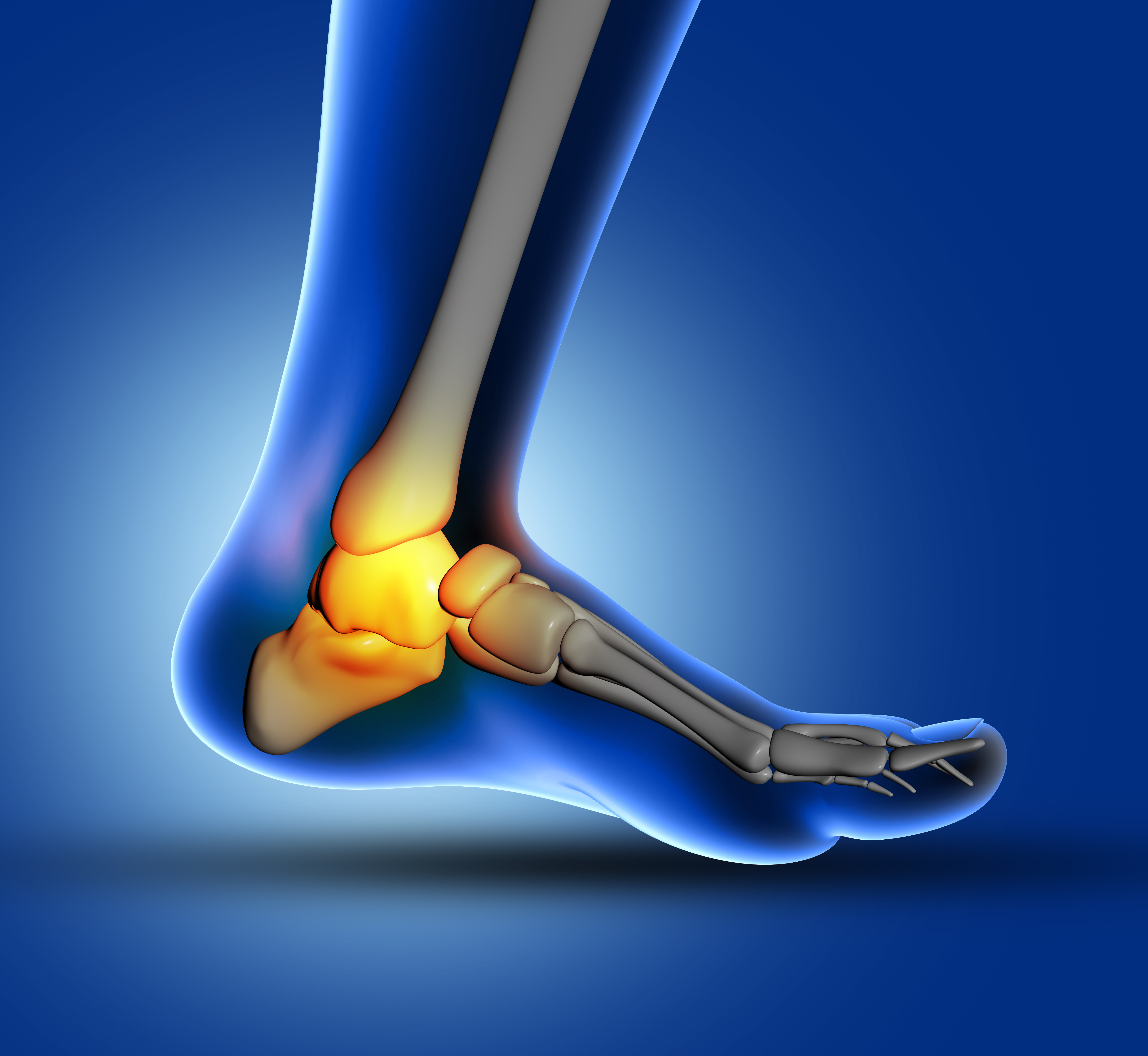
Gout
Gout is caused by monosodium urate crystal deposits, has risk factors such as male sex, obesity, hypertension, and certain diets. It manifests as swelling, pain, or tenderness in joints. Diagnosis uses clinical prediction rules and arthrocentesis. Acute pain relief includes colchicine, NSAIDs, and corticosteroids. Long-term urate-lowering therapy is recommended for chronic conditions, with caution advised for febuxostat due to mortality risks.....
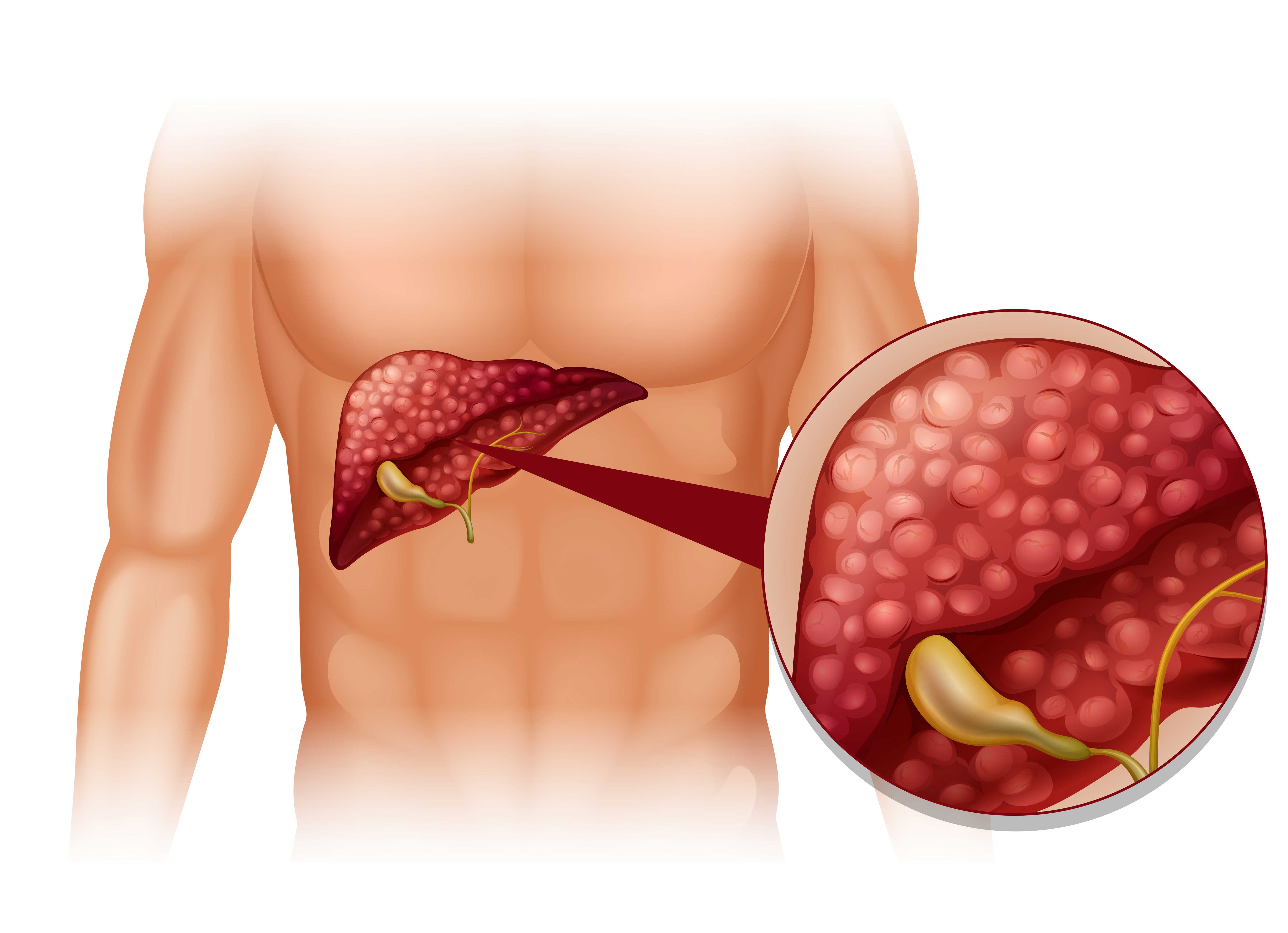
Liver cirrhosis and immune dysfunction
Cirrhosis, a leading global cause of death, progresses from compensated to decompensated stages and acute-on-chronic liver failure (ACLF) due to factors like alcohol use, toxin exposure, dysbiosis, increased gut permeability, and immune dysfunction. This review examines the central immunologic events and immune cell populations involved in the exacerbation of cirrhosis.....

Management of low blood pressure in ambulatory heart failure with reduced ejection fraction patients
Low blood pressure is common in heart failure with reduced ejection fraction (HFrEF), complicating drug titration. While spontaneous hypotension indicates risk, evidence on titration-related hypotension is limited. Guidelines suggest maintaining drug dosage for non-severe, asymptomatic hypotension, and adjusting non-HFrEF drugs for symptomatic or severe cases. A heart failure specialist should manage persistent hypotension. This review offers steps to improve pharmacological management.....

Update in the Management of Basal Cell Carcinoma
Absence seizures in children and teenagers, while often considered benign, affect 30% with pharmaco-resistance and 60% with severe neuropsychiatric comorbidities. Recent studies highlight cortical mechanisms as key in seizure ictogenesis. Functional imaging reveals changes in cortical networks before seizures. Basal ganglia networks, especially substantia nigra, play a critical role, suggesting a need for careful treatment and ongoing evaluation.....

A Standardized and Comprehensive Approach to the Management of Cardiogenic Shock
Cardiogenic shock is a complex syndrome with low cardiac output leading to multiorgan failure and high mortality rates over 40%. Best practices for management are inconsistent due to a lack of robust randomized trials. However, emerging North American data advocate for standardized protocols emphasizing rapid diagnosis, early intervention, and multidisciplinary care. This review discusses the pathophysiology, current therapies, and proposes a team-based treatment algorithm, highlighting future research needs.....

Acute myocarditis: aetiology, diagnosis and management
Acute myocarditis is an underdiagnosed condition with rising hospital admissions in the UK, affecting 0.04% of all admissions between 1998 and 2017. It has a broad etiology, including infections and toxins, with varied clinical features. Cardiovascular MRI is the diagnostic gold standard. Treatment is mainly supportive, but immunosuppressive therapy is emerging. Prognosis is generally good, though up to 30% may develop dilated cardiomyopathy. Hospital mortality is around 4%.....
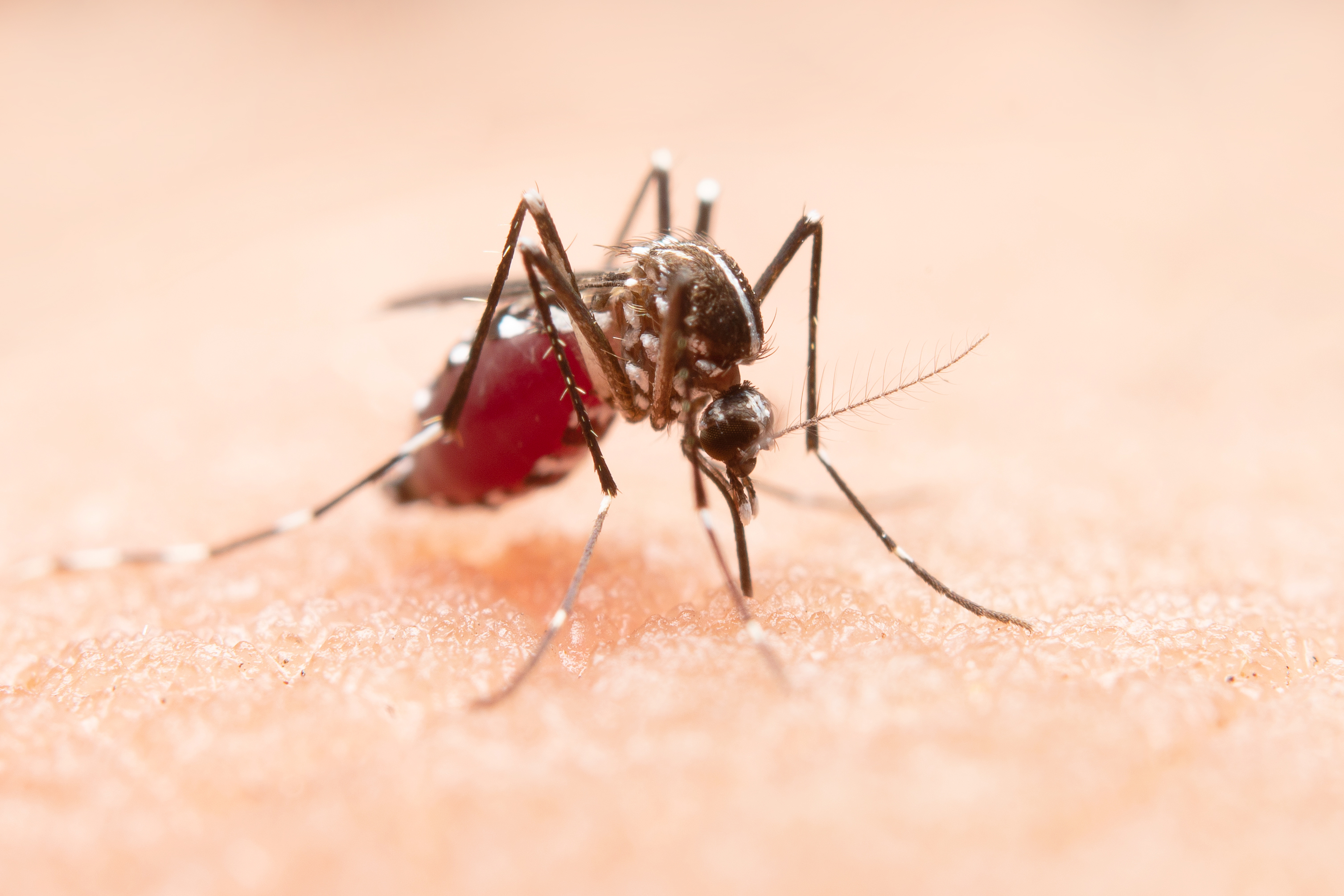
Dengue overview
Dengue, caused by the dengue virus (DENVs), manifests as dengue fever, dengue hemorrhagic fever (DHF), or dengue shock syndrome (DSS). With no antiviral drugs or effective vaccines, this review highlights the importance of understanding DENV characteristics, epidemiology, and dissemination. Factors like antibody-dependent enhancement, immune dysregulation, and viral virulence contribute to DHF and DSS. Urgent development of therapeutic and control strategies is needed.....

Antimicrobial management of dental infections
Dental infections, encompassing a range from caries to severe periodontal diseases, pose substantial public health risks. This comprehensive review examines their pathophysiology and treatment options, emphasizing antimicrobial therapy. It synthesizes research on bacterial profiles, antibiotic susceptibilities, and mechanisms of resistance, highlighting advancements and challenges in clinical management. Emerging technologies like 3D printing for customized antibiotic delivery show promise in enhancing treatment efficacy and patient outcomes.....

Genetics of diabetes mellitus and diabetes complications
Diabetes, a rapidly escalating global health concern projected to impact 693 million adults by 2045, leads to severe macrovascular (cardiovascular disease) and microvascular complications (diabetic kidney disease, retinopathy, neuropathy), increasing mortality and reducing quality of life. Genetic studies reveal a significant role in diabetes and its complications, advancing through enhanced genomic datasets and genome-wide association studies, yet highlighting gaps in further research for comprehensive genetic insights.....

Progress in the treatment of diabetic peripheral neuropathy
Diabetic peripheral neuropathy (DPN), a prevalent chronic complication of diabetes, manifests primarily as persistent, diffuse pain lasting weeks to months. Despite its significant impact on mortality and prognosis, its pathogenesis remains incompletely understood. Current clinical management focuses on symptom relief, glycemic control, and cardiovascular risk mitigation. This study reviews treatment approaches, explores pathogenesis, and aims to guide future research efforts in DPN.....

Epidemiology and Pathophysiology of Dementia-Related Psychosis
Dementia-related psychosis (DRP) affects 90% of dementia patients, contributing to cognitive decline and caregiver burden. Symptoms like delusions and hallucinations, prevalent in Lewy body dementias, worsen with disease severity. DRP's multifactorial origins involve neurobiological and psychosocial factors. This study explores DRP's frequency, symptoms, and underlying mechanisms, emphasizing effective communication about psychotic symptoms in dementia care.....
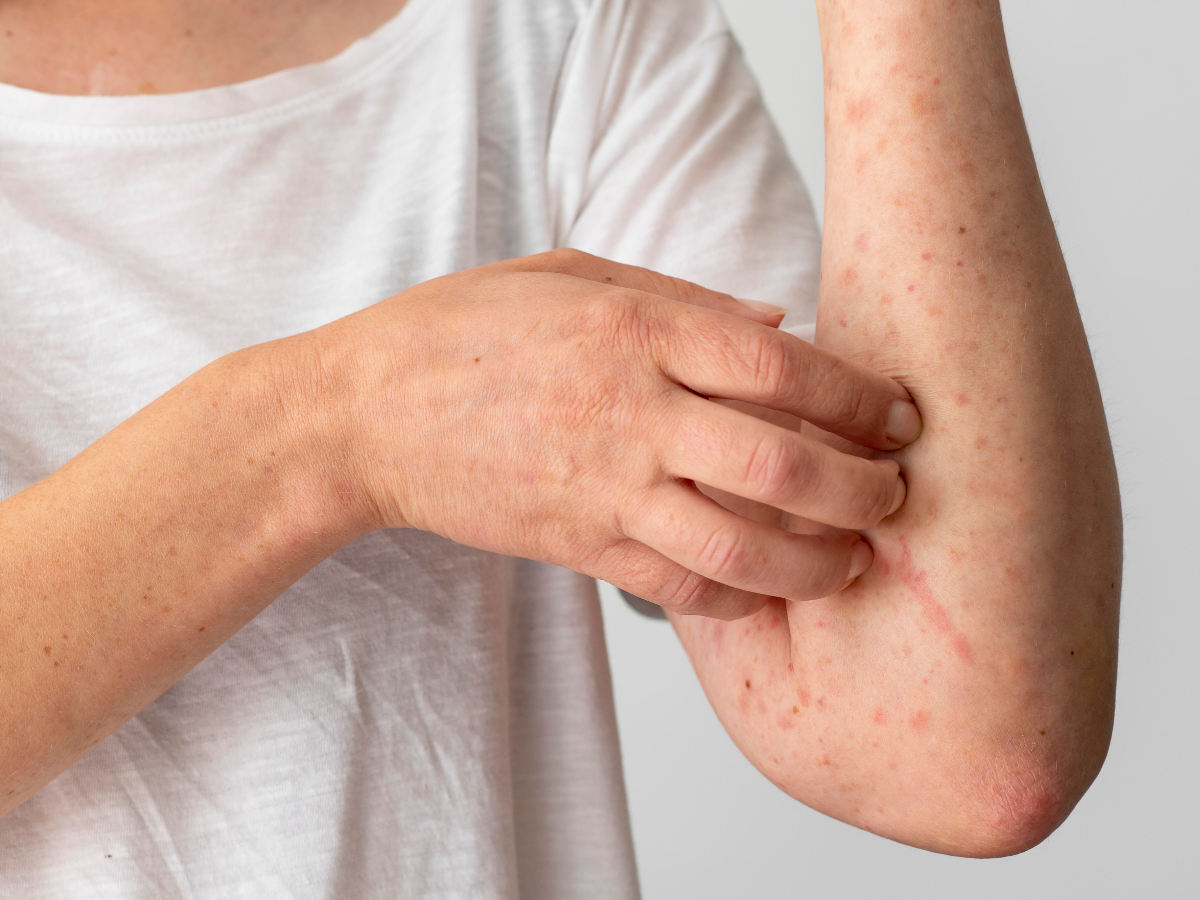
Atopic Dermatitis: Diagnosis and Treatment
Atopic dermatitis, affecting one in 10 individuals, is characterized by immune dysregulation and epidermal gene mutations, exacerbated by environmental factors. Symptoms include intensely itchy lesions triggering a cycle of scratching. Treatment involves emollients, soap-free cleansers, and topical corticosteroids as first-line therapy, with calcineurin inhibitors and phototherapy as adjuncts. New FDA-approved medications show promise, though cost remains a barrier.....
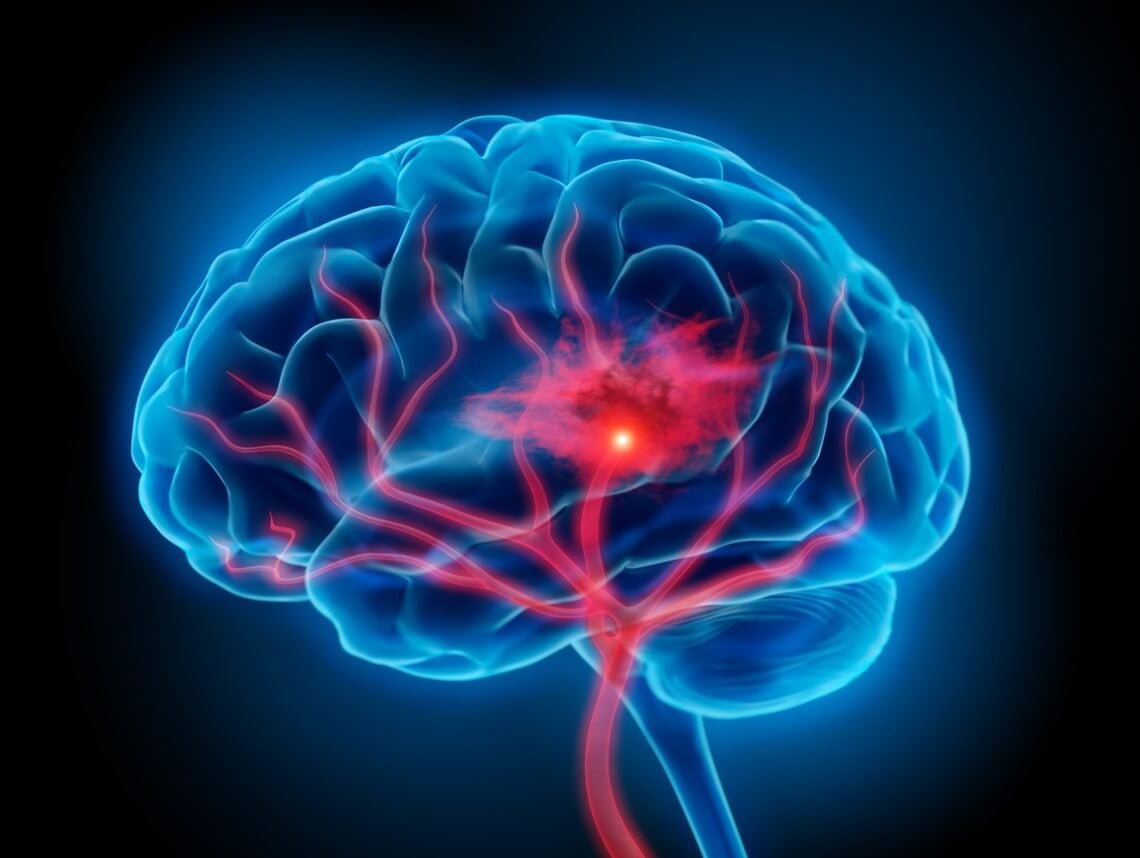
Hepatic Encephalopathy: Diagnosis and Management
Hepatic encephalopathy (HE) encompasses varying degrees of brain dysfunction in liver cirrhosis patients, from minimal (MHE) to overt (OHE). MHE, detectable only by specialized tests, contrasts with OHE's pronounced neurological symptoms like confusion and coma. Treatment targets precipitating factors and includes medications like Rifaximin and Lactulose, tailored to individual cases.....
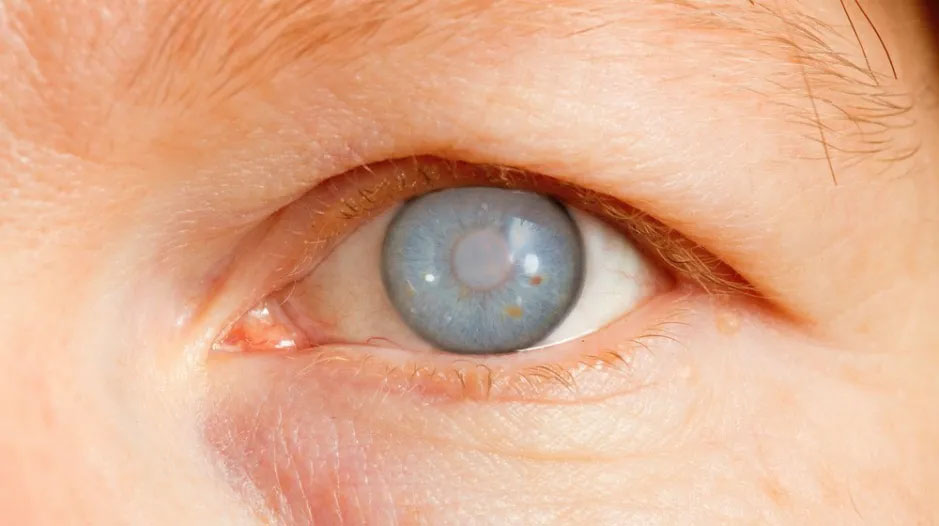
The Diagnosis and Treatment of Glaucoma
Glaucoma encompasses progressive optic nerve disorders, with prevalence in Europe reaching 2.93% among those aged 40-80 years and 10% in individuals over 90. Diagnostic tools include ophthalmoscopy and imaging, with treatment focused on intraocular pressure reduction via medications, laser therapy, or surgery to prevent visual field defects. Individualized management is crucial, requiring regular assessment and adjustment.....
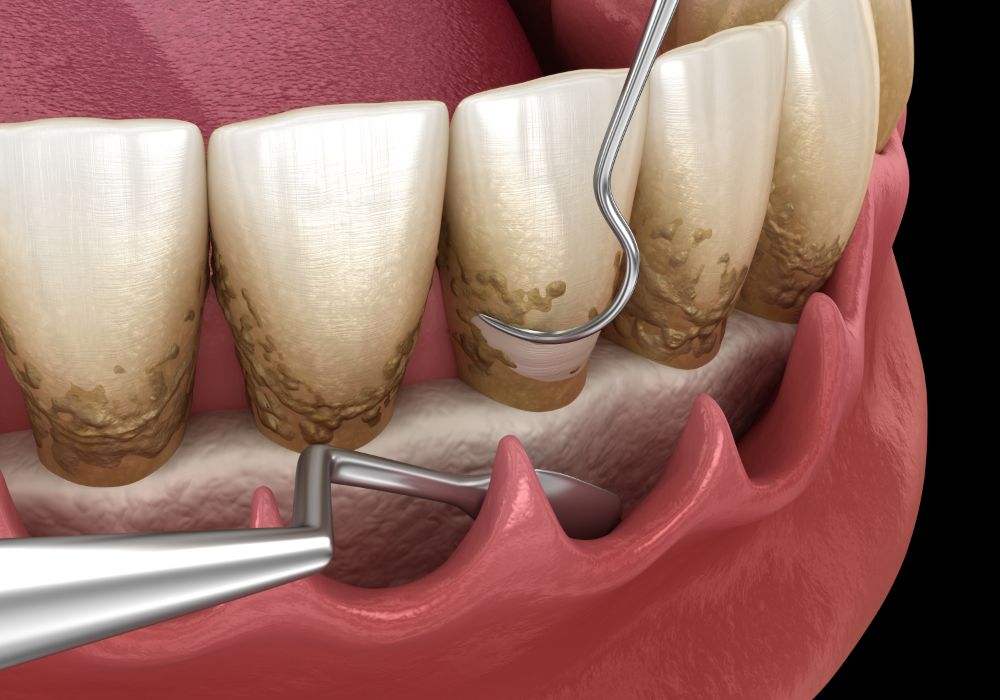
Periodontal Disease: The Good, The Bad, and The Unknown
Periodontal disease involves progressive destruction of periodontal tissues driven by dysbiotic oral microbiota and immune responses. Recent research highlights previously unrecognized microbial roles and genetic/environmental factors influencing disease. Understanding these complexities informs new strategies like oral probiotics to manage disease progression. Additionally, periodontitis links to systemic conditions like Alzheimer's and oral cancer, emphasizing oral health's broader impact on overall health.....
.jpg)
Gastroesophageal Reflux Disease (GERD): Highlighting Diagnosis, Treatment, and Lifestyle Changes
Gastroesophageal reflux disease (GERD) affects millions globally, characterized by diverse symptoms beyond typical heartburn and regurgitation. While proton pump inhibitors (PPIs) have been mainstays, awareness of their adverse effects is growing. Non-medical therapies are evolving, emphasizing lifestyle changes like diet modifications. This review highlights advances in GERD diagnosis and treatment, focusing on emerging therapeutic approaches and lifestyle impacts.....
.jpg)
Hepatic Encephalopathy: Diagnosis and Management
Hepatic encephalopathy (HE) in liver cirrhosis ranges from subclinical minimal (MHE) to overt (OHE), characterized by varying degrees of neurological dysfunction. Diagnosis and severity assessment rely on clinical and psychometric evaluations. Treatment targets precipitating factors and includes ammonia-lowering therapies like Rifaximin and Lactulose. Management strategies differ for episodic, recurrent, and persistent HE, emphasizing personalized approaches for optimal outcomes.....
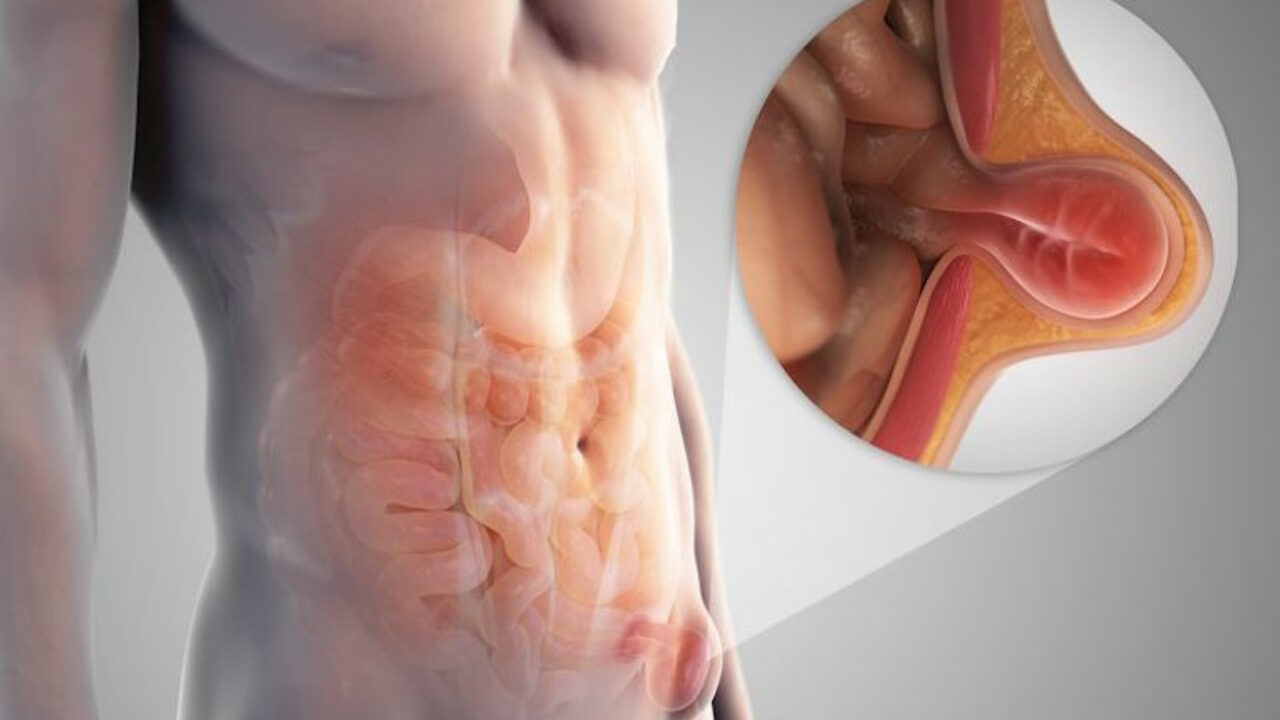
Inguinal hernia
Inguinal hernia, prevalent in one-third of males during their lifetime, exhibits a bimodal age distribution with peaks in childhood and after 50 years. Diagnosis typically involves clinical examination, often revealing a palpable lump or intestinal obstruction. Surgical repair, using polypropylene mesh via open or laparoscopic techniques, is the definitive treatment, commonly performed under local, spinal, or general anesthesia. Innovations in mesh and laparoscopy have reduced recurrence rates and chronic discomfort post-repair.....

Genetics of human female infertility
Female infertility affects 10% of reproductive-age women, predominantly due to factors impairing ovarian function, oocyte maturation, and embryo development. Genetic abnormalities, including chromosomal anomalies and DNA sequence variations, play significant roles in ovarian dysgenesis and primary ovarian insufficiency. Understanding molecular pathways and maternal-effect factors is crucial for addressing infertility associated with these genetic conditions.....
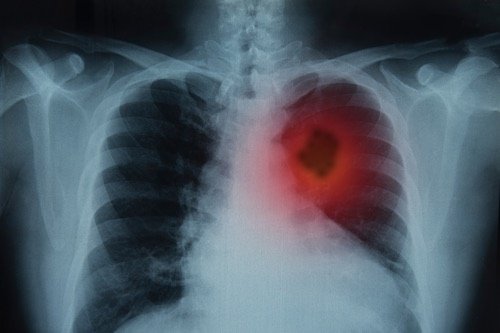
Current and Future Development in Lung Cancer Diagnosis
Lung cancer, a leading cause of cancer deaths in developed nations, often evades early detection until advanced stages. Early diagnosis is critical, particularly among high-risk groups like smokers and those exposed to occupational toxins. Current diagnostic methods, including imaging and biopsies, have limitations in detecting early-stage lung cancer. The review evaluates these methods and explores the potential of biomarkers in body fluids for predicting cancer development and progression.....
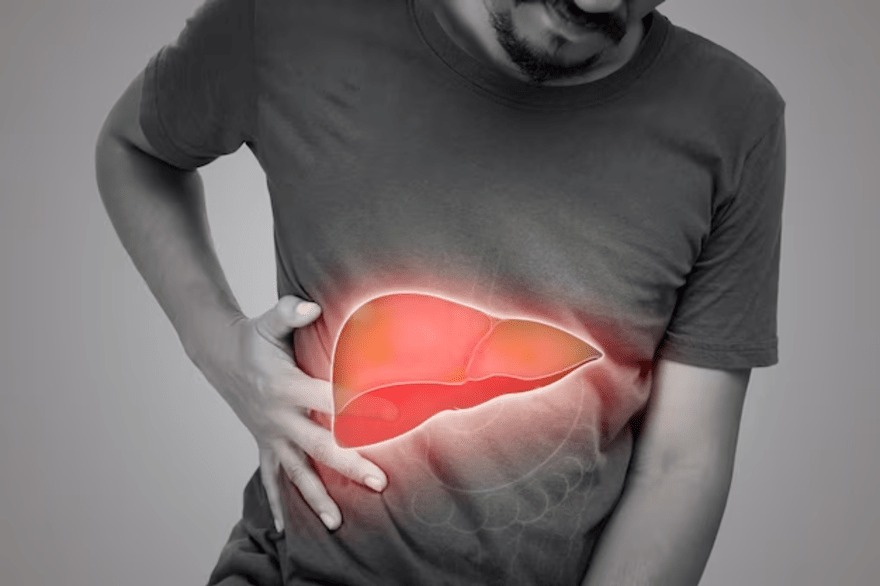
Acute liver failure
Acute liver failure is a rare and severe condition resulting from abrupt hepatocyte injury, progressing rapidly to potential lethality within days or weeks. Common causes include paracetamol toxicity, viral hepatitis, and drug-induced liver injury. Diagnosis involves assessing medication history and viral serology. Management improvements have reduced mortality, with liver transplantation offering life-saving intervention in severe cases.....

Idiopathic Granulomatous Mastitis
Idiopathic granulomatous mastitis (IGM) is a rare, benign inflammatory breast disorder of unclear etiology, often linked to milk stasis and Corynebacterium species. Primarily affecting parous women around age 35, IGM presents with painful masses and inflammation, mimicking breast cancer. Diagnosis requires biopsy showing noncaseating granulomas. Preferred treatment includes observation, antibiotics, steroids, and immune modulators, with topical and intralesional steroids favored for better outcomes.....
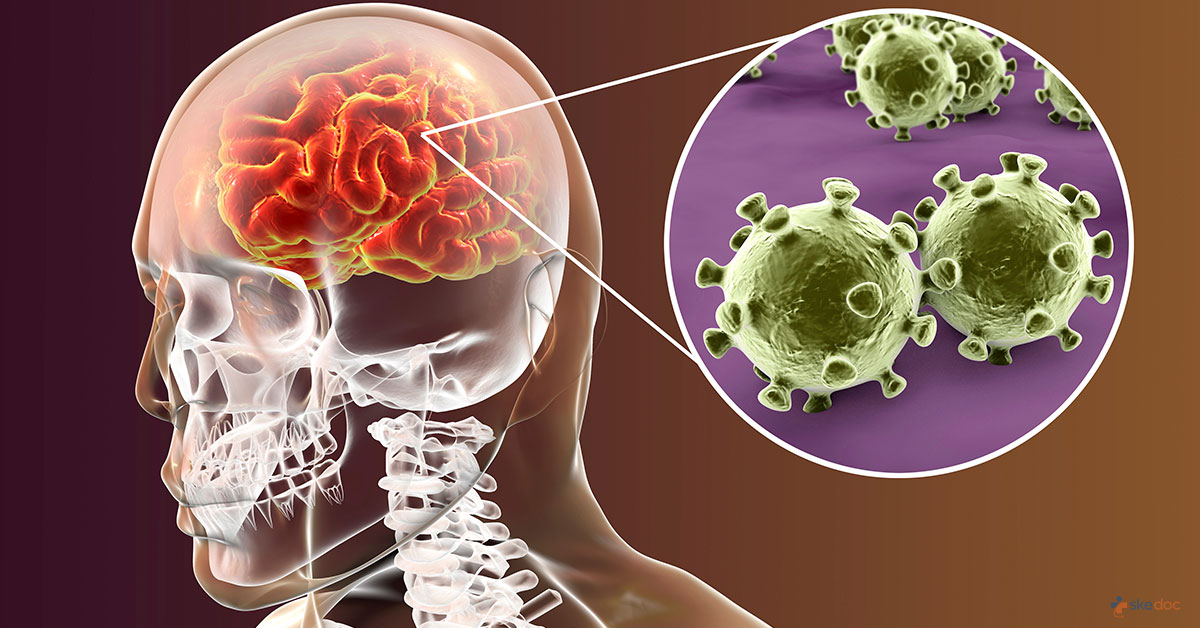
Viral meningitis
Meningitis is a severe inflammation of the meninges, affecting the brain and spinal cord, caused by bacterial, viral, or fungal infections. Enteroviruses, particularly prevalent globally, are a major cause of viral meningitis. Diagnosis is challenging due to similar clinical presentations across different viral agents. Understanding viral meningitis' pathogenesis remains unclear, necessitating further research to enhance early detection and management strategies for improved patient outcomes.....

Major depressive disorder: hypothesis, mechanism, prevention and treatment
Major depressive disorder (MDD) presents a growing global health challenge, characterized by complex and unclear pathological mechanisms. Current theories include neurotransmitter, HPA axis, cytokine, neuroplasticity, and systemic influence hypotheses, yet none fully elucidates MDD's pathogenesis. Recent research highlights multi-organ interactions and novel therapeutic targets, advancing diagnostic methods and treatments, including emerging antidepressants and alternative therapies like phototherapy and acupuncture, offering promising avenues for managing depressive symptoms.....

Vitiligo
Vitiligo, a prevalent depigmenting skin disorder affecting 0.5-2% of the global population, involves autoimmune-mediated melanocyte loss, resulting in characteristic chalky-white macules. Despite its classification as primarily cosmetic, vitiligo profoundly impacts quality of life. Recent advancements, including the distinction of segmental vitiligo in 2011, have refined understanding and treatment strategies. This review synthesizes current insights and explores future directions in vitiligo management.....

Allergic rhinitis: diagnosis and management
Allergic rhinitis affects 20% of the UK population, significantly impacting quality of life and associated with comorbidities like asthma and sinusitis. Its prevalence also affects education, productivity, and healthcare resources. This review addresses the management of allergic rhinitis, potential future treatments, and offers assessment criteria due to often misdiagnosis and mismanagement.....

Alopecia Areata: Burden of Disease, Approach to Treatment, and Current Unmet Needs
Alopecia areata is a chronic autoimmune hair loss disorder with variable distribution and severity, often causing stress and anxiety. Despite advancements in understanding its pathogenesis, diagnosis, and treatment, challenges remain. This article discusses recent updates in pathogenesis and treatment, unmet needs, treatment limitations, accessibility issues, and the importance of disease awareness and advocacy.....
Hepatitis B Virus: Advances in Prevention, Diagnosis, and Therapy
Despite decades of vaccination and effective antiviral therapies, approximately 250 million people globally are still infected with hepatitis B virus (HBV), a major cause of liver cancer and mortality worldwide. Challenges in HBV management include poor linkage to care and low awareness among patients, compounded by asymptomatic progression and complex treatment regimens. Recent efforts focus on screening, diagnosis, and advancing towards a functional cure, aiming for HBV elimination by 2030.....