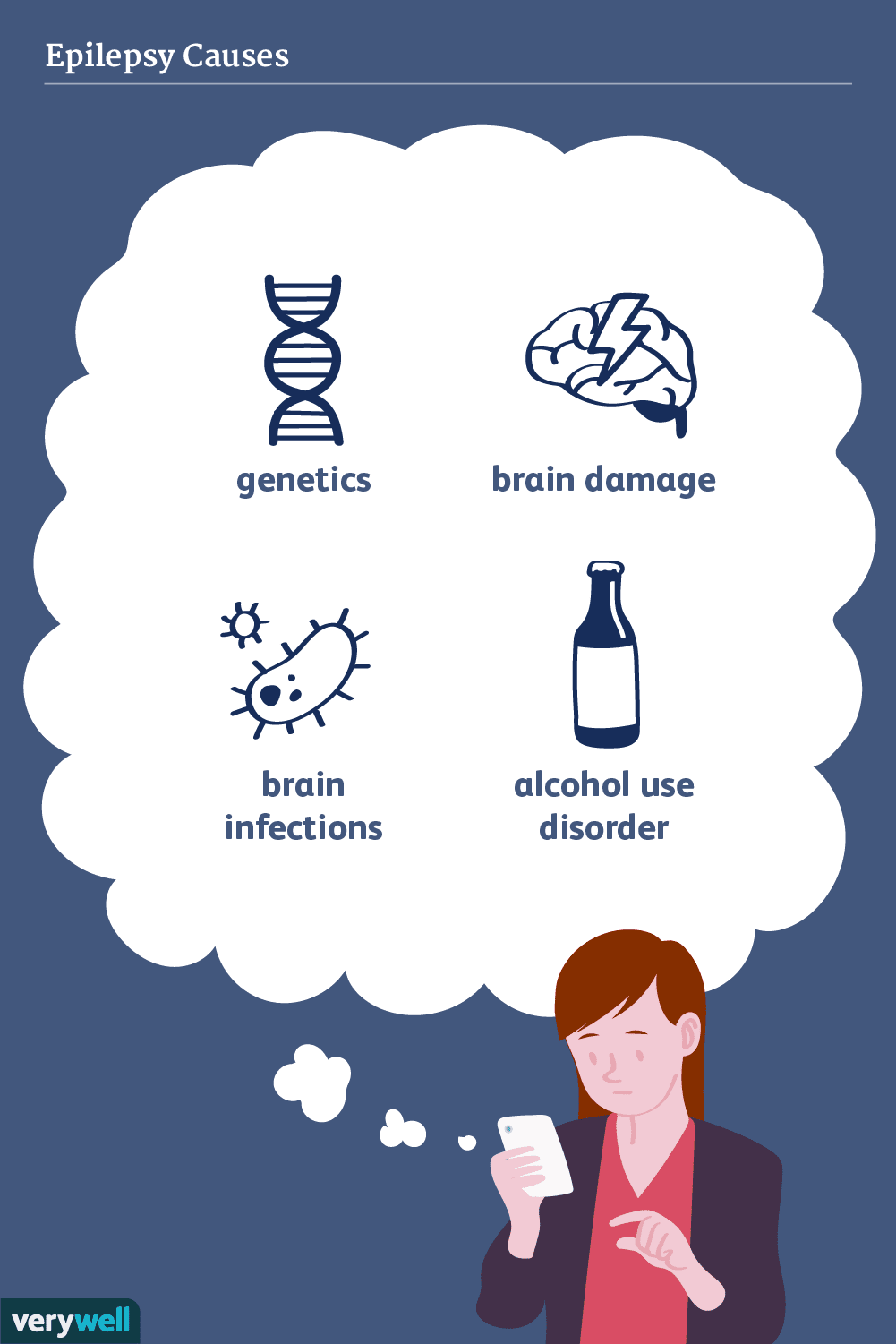
Risk Factors for seizures in children
Several factors can increase the risk of seizures in children. These include a family history of epilepsy, complications during pregnancy or birth such as oxygen deprivation, brain infections like meningitis or encephalitis, head injuries, and developmental or genetic disorders.....
Early Detection and Diagnosis of Pediatric Epilepsy
Early detection and accurate diagnosis of pediatric epilepsy play a crucial role in improving long-term outcomes. Recognizing seizure patterns, developmental delays, or unusual neurological symptoms at an early stage helps guide timely interventions.
Most frequently encountered childhood epilepsy syndromes
Childhood epilepsy syndromes are a group of disorders that present with distinct seizure types, age of onset, and developmental outcomes.

Impact of Pediatric Epilepsy on Cognitive Development and Learning
Pediatric epilepsy can significantly affect a child’s cognitive development and learning abilities. Frequent seizures, side effects of anti-seizure medications, and underlying neurological conditions may interfere with attention, memory, language skills, and overall academic performance.

Comorbidities Associated with Pediatric Epilepsy
Pediatric epilepsy is frequently accompanied by a range of comorbidities that impact a child’s overall health and quality of life. These may include developmental delays, intellectual disabilities, autism spectrum disorders, and attention-deficit hyperactivity disorder (ADHD).
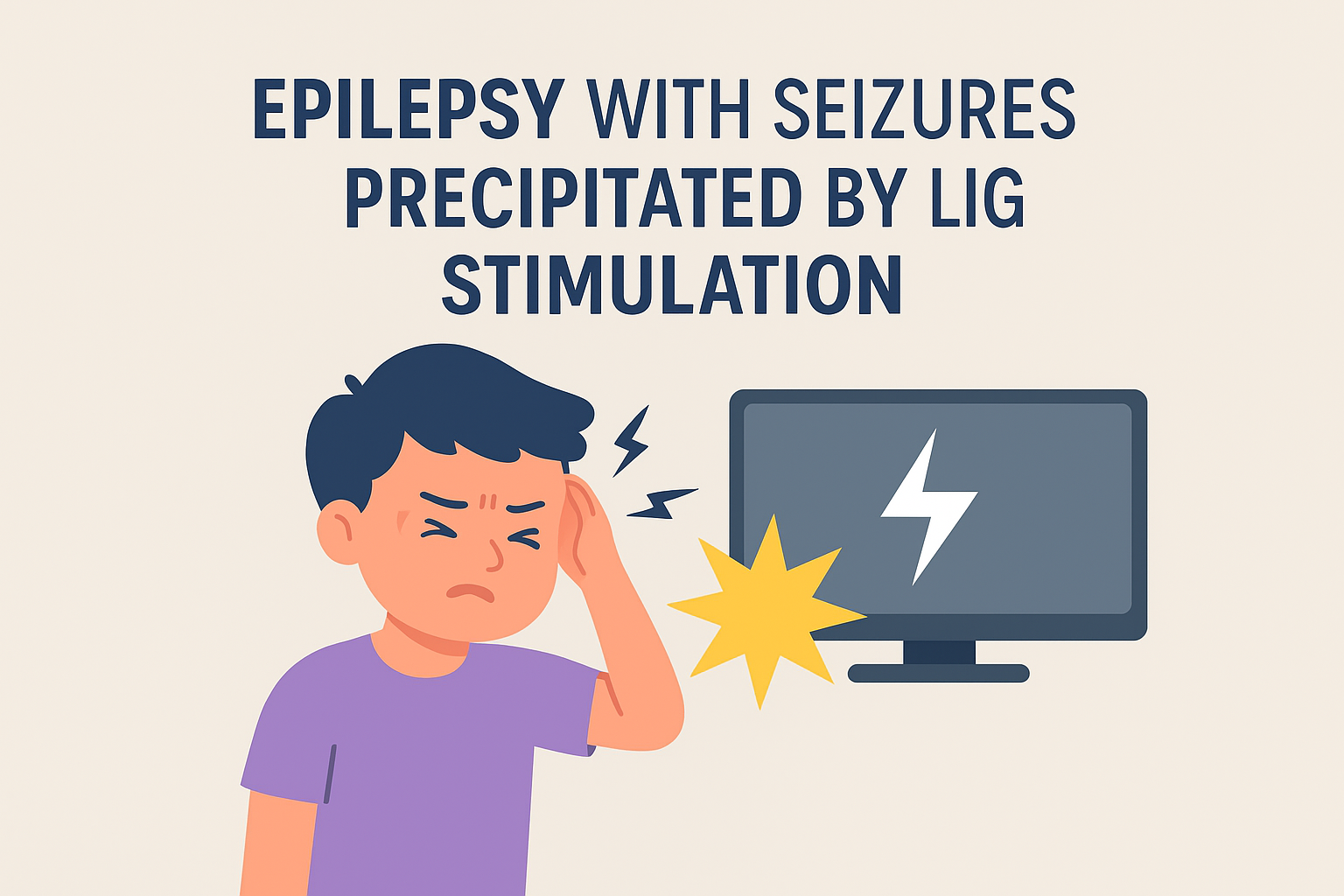
Epilepsy with seizures precipitated by light stimulation
Epilepsy with seizures precipitated by light stimulation, commonly known as photosensitive epilepsy, is a reflex epilepsy in which seizures are triggered by visual stimuli such as flashing lights, video games, strobe effects, or natural flickering light.
Establishing whether the diagnosis is epilepsy or not
Establishing whether the diagnosis is epilepsy or not is a crucial step in patient evaluation, as not all seizures are caused by epilepsy. A detailed clinical history, including eyewitness accounts of the event, is essential to distinguish epileptic seizures from mimics such as fainting (syncope), psychogenic non-epileptic seizures (PNES), movement disorders, or metabolic disturbances.

Impact of Pediatric Epilepsy on Cognitive Development and Learning
Pediatric epilepsy can significantly influence a child’s cognitive development and learning potential. Seizures, especially when frequent or uncontrolled, may disrupt memory, attention, and language skills. Anti-seizure medications, while essential for seizure control, can sometimes contribute to difficulties in concentration and processing speed.